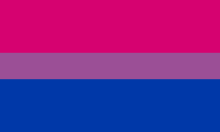


I’m bisexual and this is something that I used to believe was completely separate from my mental health. However, the fact that those who identify as bisexual are more likely than others to have mental health problems, most specifically depression and anxiety and suicidality, means it is not something that should be ignored. Studies have shown that this may be due to the fact that bisexual people do not feel like they fit into any one group. We’re not homosexual or heterosexual and some members of the LGBT community can be hostile towards us. As well as this, we’re more likely than others in the LGBT community to hide our sexual orientation, which in turn impacts our mental health negatively.
After first coming out to myself aged 20, I gradually came out to others in my life. First of all I told my then boyfriend who responded with “I know, it was so obvious!”. Next I began to tell my friends which took a lot longer. With many of them, I didn’t know when the right time to mention it would be. Often I waited for something to naturally come up in conversation or I dropped hints by mentioning which celebrity women I thought were attractive. I felt weird just announcing it but I was also struck by the need to tell them because I felt like I was keeping something from them by not telling them. I also felt as though I were censoring myself in conversation.
As I was in a relationship with a man, I was perceived by the world as straight. It made telling people difficult because I felt like if I came out to people whilst having a boyfriend, I wouldn’t be perceived as ‘truly bisexual’. I’m sure I’m not alone amongst bisexuals in feeling this way. There is so much bi-erasure in society which can make you question your own sexuality. Once when I came out to a friend, I was told “but you’re in a relationship with a man so that makes you straight”, which it most definitely does not! You can be made to feel like you’re just experimenting or that you’re too scared to come out as gay. But none of those stereotypes are true for me.
Two years after coming out to myself, I was yet to tell my family. Like many, I was worried about receiving a negative reaction. I didn’t want to upset my family by telling them. I had a boyfriend who I wanted to be with for the rest of my life and so I felt like I shouldn’t tell them because I would be perceived by the outside world as straight for the rest of my life. My boyfriend, who knew what was impacting my mental health before I did, felt it would be good for me to tell them. But being closeted to my family was something that I felt wasn’t affecting me. I was a university student so most of my anxiety and depression stemmed from the pressure of my studies meaning that I didn’t notice other negative influences on my mental health. Due to these reasons, I didn’t feel the need to tell my family.
However, in December 2018 I unexpectedly became single. For a while I wasn’t thinking about coming out to people, I was recovering from the heartache of a 4 year relationship ending. Once I began to think about dating again, I realised that if I got the opportunity I would definitely like to date women and that if that should happen, I would need to tell my family beforehand so that they wouldn’t be shocked if I got a girlfriend.
Whilst this was happening I was experiencing increased anxiety about my sexuality. At work one day an older colleague didn’t understand what heterosexual meant and thought it was the same as homosexual. This conversation made me panic that I might get outed and later on I had an anxiety attack which I’m sure was triggered by this incident. As well as this, when colleagues were joking with a colleague about her attraction to women, I retreated from the conversation. I didn’t want to be a part of any situation where I could be outed. It was at this point that I realised being closeted was impacting my mental health more than I had previously known. I knew that my colleagues and parents would be fine with it as we had LGBT staff members and my parents have friends who are LGBT, but the fear of being found out was so great that it was becoming the cause of my panic attacks. These events made me realise that for my own sake, I needed to come out to my family to relieve some of the anxiety that I was feeling.
In the week leading up to the day that I had planned to come out to my parents, my panic attacks at work doubled. My boss asked what was affecting me, and I said I didn’t know as I didn’t want to have to come out to him. I’m incredibly grateful that when I told my parents and brother that I’m bisexual, they were completely fine with it. I am yet to come out to the rest of my family, but that’s a problem for another day. At the moment I am still content with the fact that I am out to my most immediate family and all of my friends.
In the weeks following, it felt like a weight had been lifted off my shoulders. I felt so much lighter and my panic attacks had reduced. This to me is solid proof that my bisexuality impacted my mental health. Just like research has shown, it was linked to the fact that I was closeted and that I felt I didn’t belong in the LGBT community. This feeling of not belonging is one that I still feel and is the primary reason I am yet to attend a pride parade. However, it is also something I am working on. I have more bisexual friends than I used to and having someone to talk about it with, who completely understands, helps immensely. I have come a long way towards accepting myself in the short time that I have been single, and coming out to my parents has definitely helped in that. I feel free to be myself around them. I know that I am lucky that I have had such a positive reaction from them, I know many who have had to struggle to get acceptance from their family. In my case, it is acceptance within myself that I continue to struggle with.
 Depressed Historian
I’m glad that your parents and brother were accepting of you when you came out to them. Yes, self-love and acceptance is harder. I’m sending you some positive energy and wishing you a happy journey into this thing we call life.
LikeLiked by 1 person
Thank you so much!
LikeLike